


Crime and Public Safety
by Robert Solanga May 8, 2026
Baby Winter fentanyl death: Judge upholds murder charges for two in unprecedented case
Winter Rayo’s father and housemate, accused of supplying drugs to parents, will face trial on murder charges; other housemate will only face drug possession charge
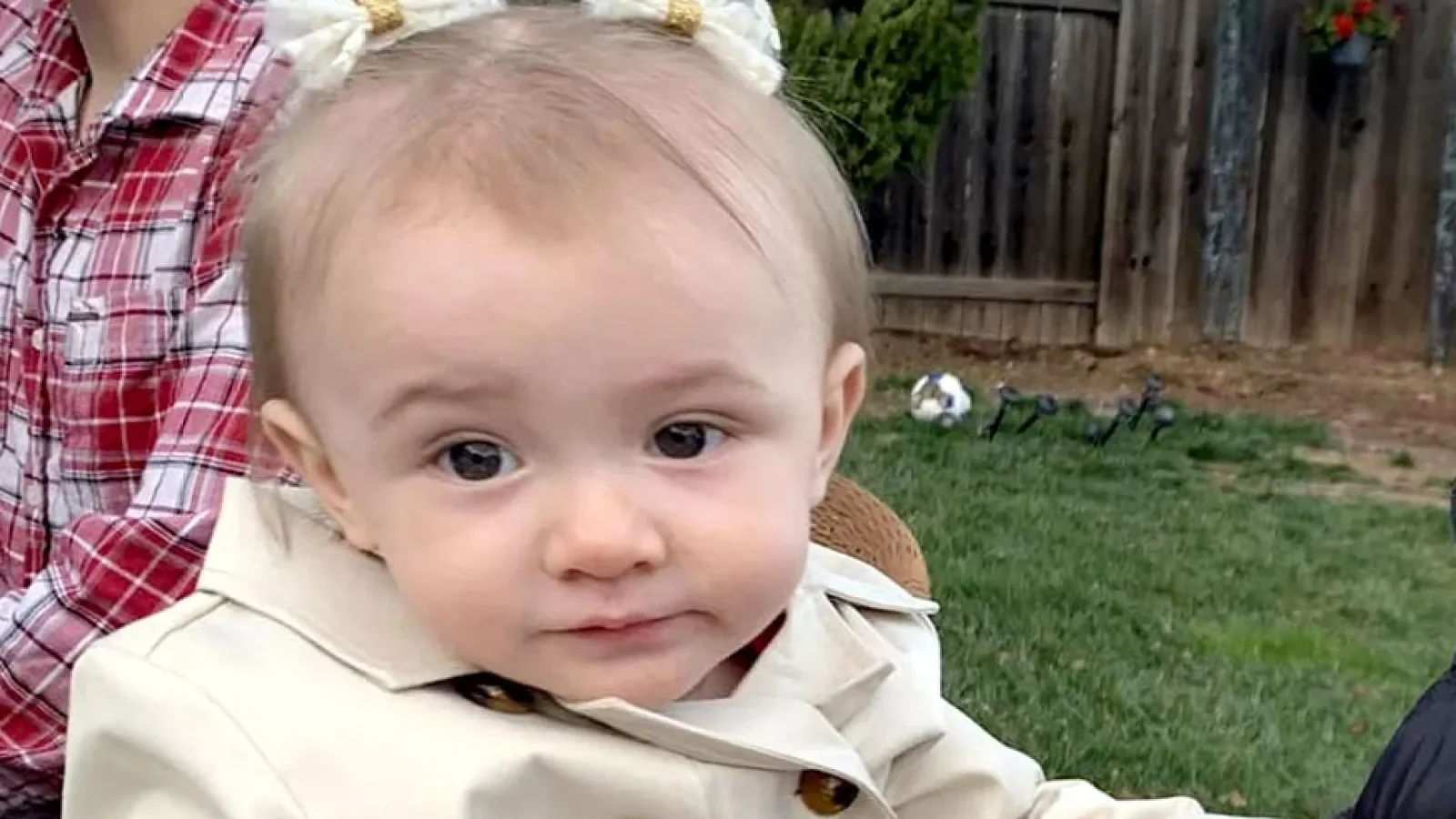
SAN JOSE — A jury has convicted two parents of murder in the death of 18-month-old Winter Rayo, a tragedy that saw an infant die after being exposed to a massive amount of fentanyl and was one in a cluster of Santa Clara County deaths that spurred milestone charges after prosecutors deemed actions crossed over from recklessness to homicide.
Derek Vaughn Rayo, 30, and Kelly Gene Richardson, 31, were on trial for murder, child endangerment and drug charges in the August 2023 death of their 18-month-old daughter Winter.
The two were charged with murder in November 2023 on the premise that their prolific drug use around the child exceeded criminal negligence, the charge that parents in previous baby fentanyl deaths in the county faced. Authorities alleged powerful illegal opioids and other drugs were scattered throughout the house and within Winter’s reach.
In a surprise development in April 2024, prosecutors filed murder charges against a couple who had lived at the same home, which included Ortega, on allegations they supplied illegal narcotics to Rayo and Richardson and contributed to the environment in which the baby ingested a massive dose of fentanyl and methamphetamine.
The testimony during the proceeding came largely from law enforcement officers and the county coroner’s office detailing their discovery and examination of Winter’s body and the conditions of their Willow Glen-area home.
Dr. Susan Parson, an assistant medical examiner-coroner, testified to one of the most jarring facts of the case: Winter’s bloodstream had a fentanyl content of 74 nanograms per milliliter, which she confirmed was nearly 25 times the lethal amount for a child of her size. Winter’s blood also contained 30 nanograms per milliliter of methamphetamine.
San Jose police investigators testified about being called to the home Aug. 12, 2023, and finding Winter’s body, which by that point was covered by a rug. Prosecutors say the two parents waited at least 12 hours before calling 911 after discovering that the child was not breathing; the couple reportedly told police that they wanted to grieve her death, knowing they would be separated from her by authorities.
A large portion of testimony involved DA investigators describing photos and text messages exchanged between the defendants that appeared to portray a lax attitude about drugs and drug paraphernalia — including the imagery of a bong hanging off a stroller and someone holding a hand torch near the child. A crime-scene technician pored over photos taken of the home that showed drugs loosely contained in bins and cans in the garage and white pills within a few feet of where Winter’s body was found.
Barbara Cathcart, one of the lead prosecutors in the case, argued at the preliminary examination that the text messages and photos portrayed a living situation that made the defendants responsible for the circumstances in which Winter died.
For Rayo and Richardson, she said, there was “no question that Winter’s parents’ extremely reckless use of fentanyl around their daughter is what killed her.” She noted that while it’s evident that the parents loved the child, “it was really just a matter of time before Winter Rayo died, and that is precisely what happened.”
Cathcart compared Ortega to a doctor prescribing addictive drugs knowing a patient will abuse them and characterized him and Vitale as essential to feeding the parents’ addiction, accusing the latter of running drugs and keeping track of their drug debts.
The evidence, Cathcart said, showed Ortega, Vitale and Rayo were culpable in an implied malice murder — which entails engaging in behavior they knew carried deadly consequences — and that the charges should go before a jury.
Attorneys for Ortega and Vitale questioned prosecution witnesses with the aim of establishing that they did not carry out any parental roles or responsibilities for Winter and, therefore, should not be culpable for her murder.
Dana Fite contended that Vitale was “tenuously connected to the actual death of Winter Rayo,” and on Monday she voiced gratitude for Ryan’s decision to dismiss the most serious charges against her.
“From the start, we have believed that the murder charge did not accurately describe Ms. Vitale’s actual conduct,” Fite said. “While this is undoubtedly a tragic situation that emphasizes the devastating effects of fentanyl addiction, the district attorney was overreaching when they charged Ms. Vitale with murder.”
Renee Hessling argued to Judge Ryan on Aug. 28 that while authorities identified her client, Ortega, as the primary drug dealer for Rayo and Richardson, there was no direct evidence proving that it was his drugs that Winter ingested or how she consumed the fentanyl.
“He’s not responsible for what they do with those drugs,” Hessling said, referring to Winter’s parents. “There’s not enough to show Mr. Ortega caused the death or an act that he did caused the death of Winter Rayo. There are a lot of important pieces missing.”
After Monday’s ruling, Hessling said she plans to file a motion to dismiss Ortega’s charges: “I do not believe there is a legal basis for this decision.”
Krista Henneman, an attorney with the Alternate Defender’s Office who represented Rayo, said she was “certainly disappointed in the holding order.”
“Winter’s death is an incredible tragedy, especially for her father, who loves his precocious, vibrant toddler, but this was not a murder. And I will work tirelessly to prove as much,” Henneman said Monday.